Source RC Car Body Shell with Roll Cage Kit for Racing, Off-Road, and Drift
Compare 30 listings for rc car body shell with roll cage kit from verified suppliers in Guangdong. Evaluate specifications like width, wheelbase, and material to find suitable options for 14+ year old hobbyists.
Key considerations
Products List
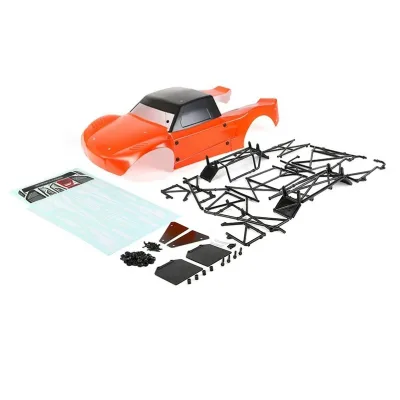
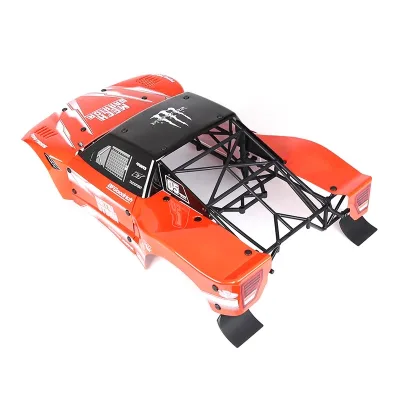
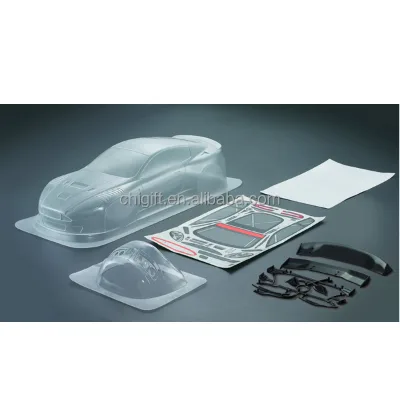
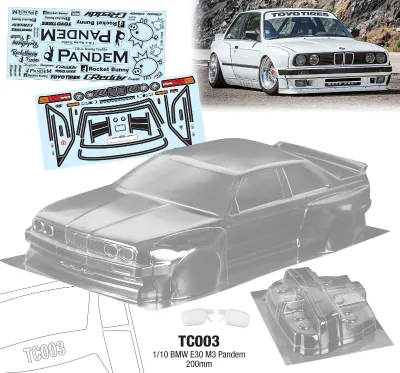


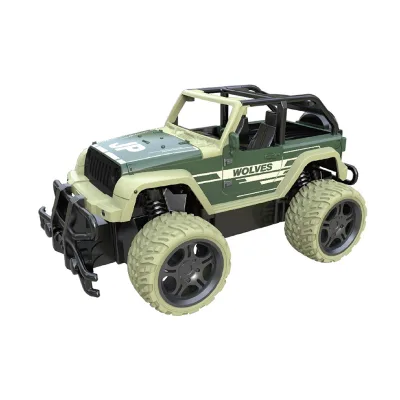
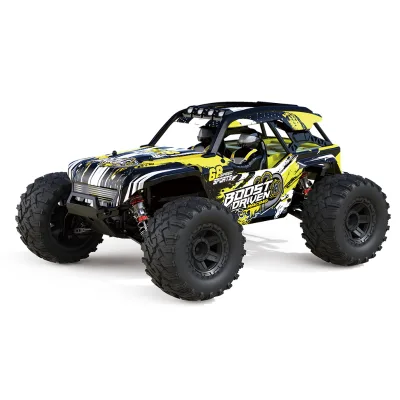
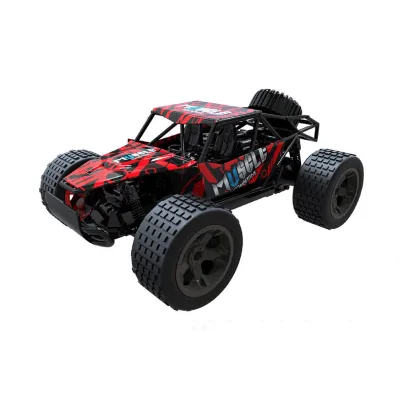
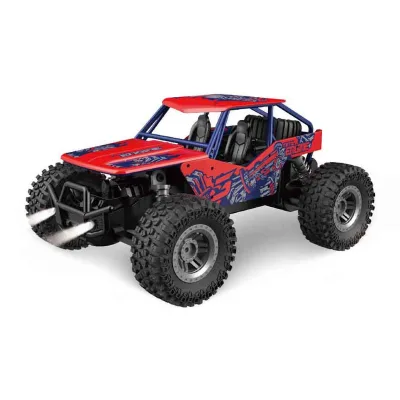
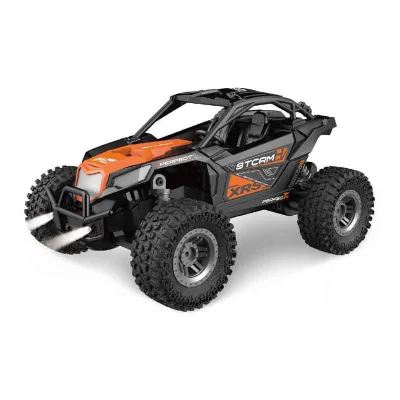
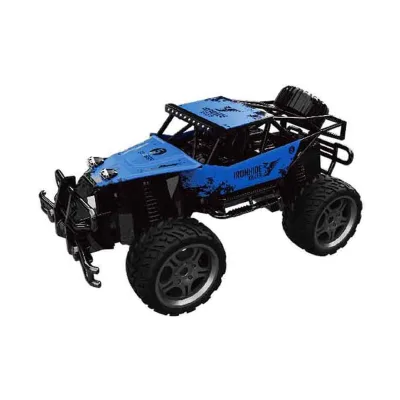

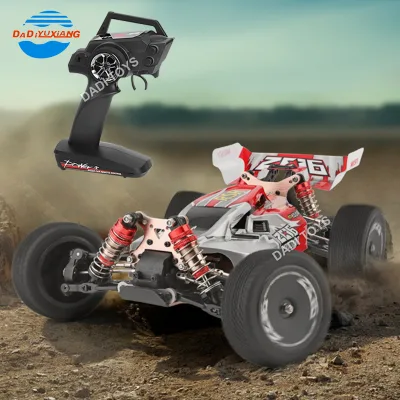

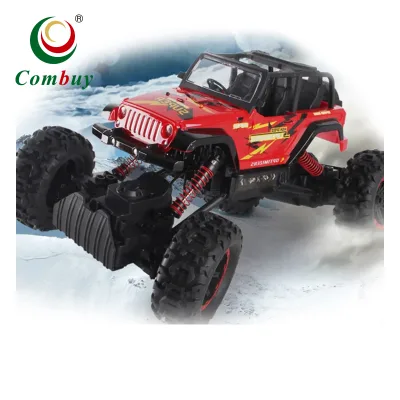
Comprehensive Sourcing Guide
Strategic Sourcing Guide for RC Car Body Shells with Roll Cage Kits
Understanding the Product Category and Technical Specifications
The core keyword "rc car body shell with roll cage kit" refers to a specialized subset of remote control vehicle components designed to enhance structural integrity and aesthetic customization. Based on observed market data, these products are primarily categorized under "RC Car Parts" and specifically identified as "Body Shell" units. The fundamental material composition for these components is consistently noted as plastic, a choice that balances durability with the need for lightweight performance in high-speed applications.
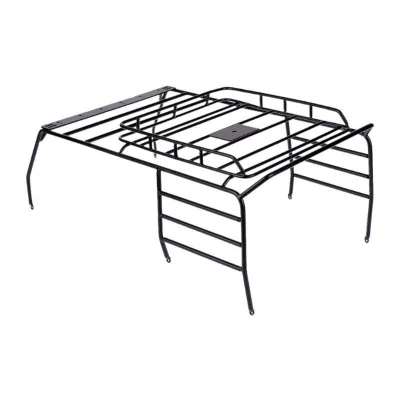
When evaluating technical specifications, buyers must look beyond the generic term "body shell" to specific dimensional and structural attributes. The width of these shells typically ranges between 190mm and 210mm, with specific model variations observed at 190mm and 195mm. This dimensional variance is critical for ensuring compatibility with different chassis types and wheelbases. For instance, a specific observed model features a wheelbase of 260mm, which dictates the overall length and mounting point configuration of the body. The "roll cage" aspect often implies an integrated or add-on structural reinforcement, sometimes described in product details as an "Open door" feature, which suggests a functional design allowing access to the internal chassis without removing the entire shell.
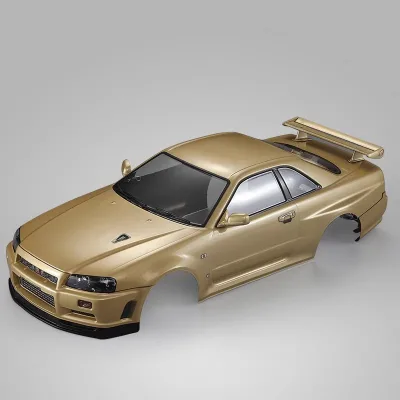
The physical packaging dimensions provide insight into the logistical footprint of these items. Single package sizes vary significantly, with observations ranging from compact units measuring 40x30x15 cm to larger bulkier packages at 50x30x45 cm or 50x45x33 cm. The single gross weight for individual units can range from 2.000 kg to 5.000 kg, indicating that some kits include substantial internal components or heavy-duty plastic molding. Color options are diverse, with common listings offering Black, White, Red, Blue, and Green, while some premium or specific kits may include Gold or White/Blue/Green combinations. Understanding these physical constraints is essential for calculating shipping costs and storage requirements in a B2B context.
Compliance, Certification, and Safety Standards
In the B2B procurement of RC car parts, particularly those intended for consumer use, compliance with safety standards is a non-negotiable prerequisite. The observed market data explicitly lists "EN71" as a certification for certain products in this category. EN71 is a European standard for toy safety, covering mechanical and physical properties, flammability, and chemical migration. When sourcing body shells with roll cage kits, buyers must verify that the plastic materials used meet these specific chemical and physical safety thresholds.
The presence of the EN71 certification suggests that the manufacturer has undergone testing for potential hazards associated with toys, which is particularly relevant given the "Age Range" of 14 Years & up observed in the product listings. While the target demographic is older, the safety protocols for plastic components remain strict to prevent issues such as sharp edges, small detachable parts, or toxic material leaching. Buyers should not assume that all listed products automatically satisfy these standards simply because they are categorized as toys or RC parts. Instead, the procurement process must include a request for valid, current certification documents from the supplier.
Furthermore, the "Gender" attribute is listed as "Unisex," which aligns with the general nature of RC hobbyist products but does not influence safety compliance. However, the "Selling Units" being "Single item" for some listings and "Qty/Ctn: 144pcs/ctn" for others indicates a mixed market of retail-ready single units and bulk wholesale packages. For bulk orders, the "Gross weight per batch" of 22.000 kg and "Package size per batch" of 73x32x86 cm must be scrutinized to ensure that the packaging materials themselves do not introduce hazards or violate international shipping regulations. Verification of the "OEM Welcome" status is also crucial, as it implies the supplier's willingness to customize the product to meet specific regional certification requirements, which may differ from the standard EN71 baseline.
Cost Drivers and Pricing Dynamics
The pricing landscape for RC car body shells with roll cage kits is characterized by significant variability, with observed listed prices ranging from 1 USD to 133.41 USD. This wide disparity is driven by several key factors, including brand reputation, material quality, and the complexity of the "roll cage" design. Lower-priced items in the 1-10 USD range typically represent basic plastic shells with minimal structural reinforcement or generic branding. In contrast, items approaching the higher end of the spectrum often feature specialized designs, such as the "Open door" functionality, or are produced by established brands like "KILLERBODY," "Matrixline," or "CF."
The "Supply Ability" of 10,000 pieces per month observed in the data suggests a robust manufacturing capacity, which can stabilize pricing for large-volume orders. However, the "MOQ" (Minimum Order Quantity) range of 1 to 720 units introduces a tiered cost structure. Buyers purchasing small quantities may face higher per-unit costs due to the lack of economies of scale, while those ordering near the 720-unit threshold can likely negotiate more favorable rates. The "Single gross weight" of the product also plays a direct role in logistics costs; a 5.000 kg unit will incur significantly higher freight charges than a 2.000 kg unit, impacting the total landed cost.
Additionally, the "Port of dispatch" being listed as "Shenzhen" indicates that the supply chain originates from a major manufacturing hub in Guangdong, China. This location offers logistical advantages but also exposes buyers to specific freight variables, such as container availability and seasonal shipping rates. The "Remote Distance" attribute being listed as "Other" for some items suggests that these are not standalone remote-controlled vehicles but rather components that require integration with existing systems, which can affect the perceived value and pricing strategy. Buyers should analyze the total cost of ownership, including the "Control Channels" (5 Channels, 4 Channels) compatibility, as more complex systems may require more expensive, specialized body shells.
Typical Applications and Operational Context
The primary application for these products is within the "Vehicles & Remote Control Toys" sector, specifically targeting hobbyists and enthusiasts. The "Operator Skill Level" is identified as "Beginner," suggesting that these kits are designed to be accessible to those new to the hobby, yet the "Age Range" of 14 Years & up indicates a level of complexity that requires a certain degree of dexterity and understanding of RC mechanics. The "State of Assembly" being "Ready-to-Go" is a critical feature for this demographic, as it minimizes the barrier to entry and ensures that the body shell can be installed without extensive modification.
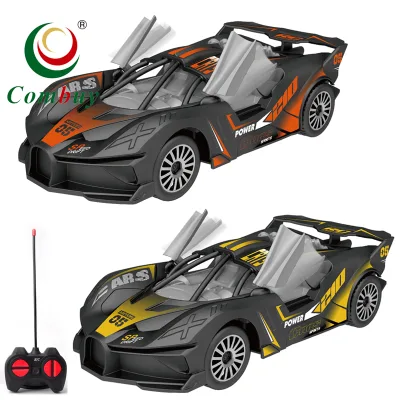
These body shells are often paired with "Electric" power sources, as indicated by the "Power Source" attribute. The "Description" of "2.4G RC Car" confirms the use of modern radio frequency technology, which allows for stable control over varying distances. The "Remote Distance" being listed as "Other" implies that the effective range may vary based on environmental factors and the specific transmitter used, a factor buyers should consider when marketing these products to end-users. The "Package Includes: Remote Controller" for some listings suggests that certain SKUs are complete kits, while others are strictly body components. This distinction is vital for inventory planning and customer expectation management.
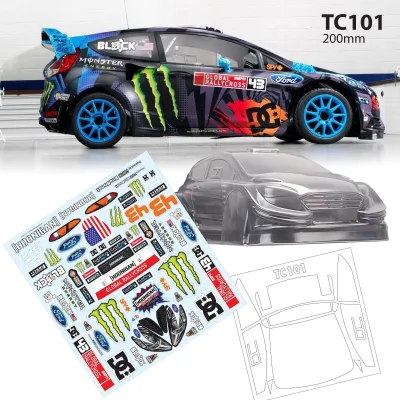
The "Type" classification as "RC Car Parts" and "Body Shell" confirms their role as upgrade or replacement components. The "Model Number" variations, such as "87104," "PC2025," "TC101," and "KB063619-KB063620 rc car kit," highlight the need for precise matching with existing chassis systems. The "Width" specifications of 190-210mm are tailored to fit specific wheelbase dimensions, ensuring that the roll cage and body shell do not interfere with the suspension or steering mechanisms. This precision engineering is essential for maintaining the performance and handling characteristics of the RC vehicle.
Supplier Evaluation and Geographic Considerations
When evaluating potential suppliers for RC car body shells with roll cage kits, the geographic origin is a primary data point. The "Place of Origin" is consistently identified as "Guangdong, China," a region known for its extensive manufacturing ecosystem in the toy and RC vehicle sector. This concentration of suppliers offers buyers a wide selection of options but also necessitates rigorous due diligence to ensure quality consistency. The "Brand Name" field shows a mix of generic and specific brands, including "RV," "chigift," "Matrixline," "CF," and "KILLERBODY." While the presence of specific brand names can indicate a level of market recognition, buyers should not rely solely on brand reputation without verifying the supplier's production capabilities.
The "Supply Ability" of 10,000 pieces per month is a strong indicator of a supplier's capacity to handle large orders, but it should be cross-referenced with their "Lead Time" and "Port of dispatch" (Shenzhen) to ensure timely delivery. The "Packaging Details" noting "OEM Welcome" is a positive signal, suggesting that the supplier is flexible and capable of customizing products for private label or specific client requirements. However, buyers must verify the supplier's ability to maintain consistent quality across different batches, especially given the variation in "Single package size" and "Single gross weight" observed in the market.
Supplier evaluation should also include a review of their "Certification" status. While EN71 is observed, buyers must confirm that this certification is current and applicable to the specific product batch. The "Gross weight per batch" and "Package size per batch" data points are useful for logistics planning but also serve as a proxy for the supplier's attention to detail in packaging and shipping. A supplier that consistently provides accurate weight and dimension data is more likely to be reliable in other aspects of the supply chain.
Quality Control and Long-Term Procurement Strategies
Effective quality control for RC car body shells with roll cage kits requires a multi-faceted approach. Given the "Material" is plastic, buyers should focus on inspection protocols that check for structural integrity, specifically the strength of the "roll cage" integration. The "Open door" feature, if present, must be tested for smooth operation and durability over repeated use. The "Color" consistency is another critical quality metric, as variations in dye batches can lead to aesthetic inconsistencies in the final product.
For long-term procurement, establishing a relationship with suppliers who offer "OEM" services is advantageous. This allows for customization of the "Model Number" and specific design features to meet unique market demands. The "Control Channels" compatibility (4 or 5 Channels) should be verified to ensure that the body shells are compatible with the most common RC systems in the target market. The "State of Assembly" being "Ready-to-Go" simplifies the quality control process, as it reduces the risk of assembly errors by the end-user.
Buyers should also consider the "Selling Units" and "Qty/Ctn" metrics when planning inventory. The ability to purchase in bulk (144pcs/ctn) can reduce per-unit costs, but it requires adequate storage space and capital. The "Single gross weight" of up to 5.000 kg per unit highlights the need for robust handling equipment in the warehouse. Finally, the "Remote Distance" and "Power Source" attributes should be aligned with the intended use case to ensure customer satisfaction. By focusing on these technical and logistical details, buyers can build a resilient supply chain that delivers high-quality RC car body shells with roll cage kits consistently.
FAQs
What materials are used for rc car body shell with roll cage kit?
The primary material used is plastic, which balances durability with lightweight performance. This choice ensures the component remains light for high-speed applications while maintaining structural integrity for the roll cage design.
Which certifications apply to rc car body shell with roll cage kit?
Some products in this category hold EN71 certification, which is a European standard for toy safety. Buyers must verify that the plastic materials meet specific chemical and physical safety thresholds before procurement.
How wide is the rc car body shell with roll cage kit?
The width of these shells typically ranges between 190mm and 210mm. Specific model variations are observed at 190mm and 195mm to ensure compatibility with different chassis types and wheelbases.
Can the rc car body shell with roll cage kit be customized?
Yes, suppliers indicate that OEM customization is welcome for these products. This allows buyers to request specific branding or design modifications to meet regional requirements or private label needs.
Where are rc car body shell with roll cage kit manufacturers located?
The place of origin for these products is consistently Guangdong, China. This region is a major manufacturing hub for toys and RC vehicles, offering a wide selection of suppliers.
What is the supply capacity for rc car body shell with roll cage kit?
The observed supply ability is 10,000 pieces per month. This robust manufacturing capacity suggests that suppliers can handle large-volume orders while maintaining stable pricing for bulk purchases.